
Finding small piles of debris inside your home can be unsettling. They may look harmless at first, almost like sawdust or dirt. But those tiny pellets could be a warning sign of something much bigger happening behind the walls. Termite droppings are one of the most overlooked clues of an active infestation, and ignoring them often leads to serious damage.
This post breaks down what those droppings really mean, what they look like, and why they shouldn’t be brushed aside. You’ll learn how to tell the difference between termite waste and other debris, what it says about activity inside your structure, and what steps matter most next. Let’s take a look!
What Are Termite Droppings, Really?
Many people are surprised to learn that termites leave waste behind. Termite poop isn’t soft or messy like waste from other pests. It’s dry, compact, and pellet-shaped. These pellets, called termite frass, come from drywood termites as they tunnel through wood.
Each pellet is tiny, often no larger than a grain of sand. They’re usually oval-shaped with ridged sides and appear in small piles. Unlike dirt or sawdust, the pellets are uniform in size and texture. That consistency is one of the biggest clues that termites are involved.
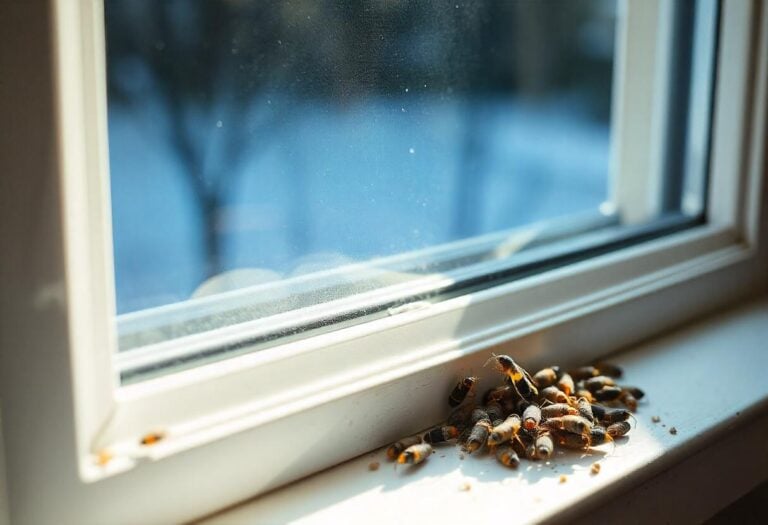
When frass appears, it usually indicates that termites are active in nearby wood. They push waste out through small holes, which is why piles tend to show up along baseboards, window sills, or beneath wooden structures.
Termite Droppings Identification: What to Look For
Proper termite droppings identification helps prevent confusion with other pests or debris. These droppings are often mistaken for ant waste, rodent droppings, or even coffee grounds. Here’s what sets them apart:
- Hard, dry pellets instead of soft waste
- Uniform size and shape
- Colors that match the wood being eaten
- Small piles near walls, trim, or furniture
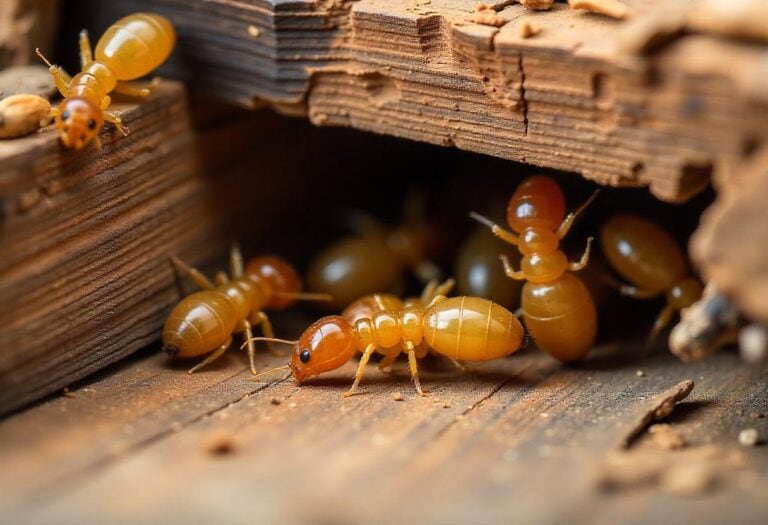
Another key sign is location. Frass often shows up below tiny holes in wood, sometimes called kick-out holes. These openings are how termites push waste out while staying hidden. Understanding termite droppings identification early can help prevent long-term damage before it spreads deeper into the structure.
Termite Droppings but No Termites: What That Means
One of the most confusing situations is finding termite droppings but no termites in sight. This happens because drywood termites live entirely inside wood. They don’t travel through soil or open spaces like other pests. Seeing frass without seeing termites usually means:
- The colony is hidden inside walls or framing
- Activity has been ongoing for some time
- The infestation hasn’t been disturbed yet
In other cases, frass may appear after termites move to a new section of wood. That doesn’t mean the problem is gone. It often means the infestation has shifted locations. Finding termite droppings but no termites is still a clear signal that professional evaluation is needed.
Are Termite Droppings Harmful to People?
Many people ask, are termite droppings harmful to humans or pets? The good news is that frass isn’t toxic. It doesn’t carry diseases like rodent droppings can.
That said, there are still concerns:
- Frass can trigger allergies or irritation
- It may worsen respiratory issues when disturbed
- It signals active wood damage nearby
The bigger risk isn’t the droppings themselves. It’s what they represent. Structural damage caused by termites can weaken floors, walls, and support beams. That risk alone makes ignoring frass a bad idea.
Why Termite Frass Is a Red Flag
Termite frass doesn’t appear randomly. It’s produced when termites are actively feeding. The longer the frass is present, the longer the damage has likely been happening.
Unlike other pests, termites don’t stop on their own. Colonies grow, expand, and continue feeding unless properly treated. Frass often increases over time, especially during warmer months when activity spikes.
Effective Methods to Clean Up Termite Droppings
If you’ve found termite droppings in your home, it’s essential to clean them up properly to maintain a safe, healthy environment. Here’s a step-by-step guide to help you effectively clean up termite droppings without spreading the pellets:
- Wear Protective Gear: Start by wearing gloves and a mask to protect yourself from potential allergens.
- Use a Damp Cloth: Gently wipe the area with a damp cloth to collect the droppings. This method helps prevent the pellets from becoming airborne and spreading.
- Dispose of the Cloth Properly: Place the used cloth in a sealed plastic bag to prevent contamination and dispose of it in an outdoor trash bin.
- Vacuum the Surrounding Area: Use a vacuum cleaner to thoroughly clean the area around the droppings. Ensure you vacuum all crevices and corners to remove any remaining frass.
- Clean the Vacuum: After vacuuming, clean the vacuum’s filter and bag to prevent any remaining droppings from spreading.
What To Do After Cleaning
If termite droppings are discovered, quick action matters. The piles will return, often larger than before. So while cleaning is important, you should also:
- Avoid disturbing the area too much
- Take note of where droppings appear
- Check nearby wood for soft spots or holes
- Schedule a professional inspection
Don’t Ignore the Quiet Warning Signs
The goal for any property owner is peace of mind and a safe, solid home. Discovering signs of termites can feel stressful and overwhelming, so it’s important to act as soon as possible. At Safe Pro Pest Control, we understand how unsettling these discoveries can be. With proven experience and trusted termite solutions, we uncover the source and stop the damage before it spreads further. If you’ve noticed termite poop or suspicious debris, call our team.
